
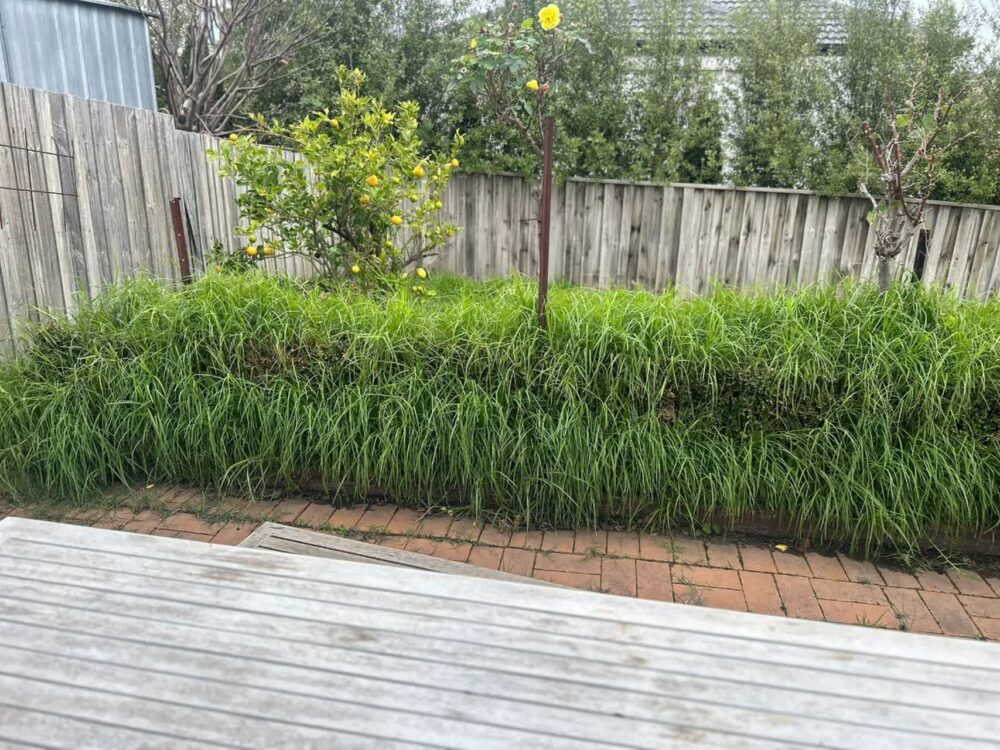
Living in Pakenham, Officer, Berwick, Narre Warren, Cranbourne, or any of Melbourne’s south-eastern suburbs means you deal with a unique mix of weather: hot, dry summers, cool and wet winters, and everything in between. Getting the mowing frequency right is the single most important thing you can do to keep your lawn thick, green, and weed-free year-round.
Here’s exactly how often you should mow in 2025–2026, based on local grass types, seasons, and real-world conditions we see every week at Small Brother Lawn Mowing Service.
General Rule: The “One-Third” Rule (Works Everywhere in the South-East)
Never remove more than one-third of the grass height in a single mow. Cutting shorter than this stresses the grass, lets weeds invade, and turns your lawn brown faster in summer.
Example:
If your Buffalo or Kikuyu is 90 mm tall, don’t cut below 60 mm.
Recommended Mowing Frequency by Season
Spring (September – November)
- Growth explodes, especially after the first warm rains.
- Mow every 7–10 days (sometimes every 5–7 days in October if we get a wet spring).
- Most common grasses in the area (Sir Walter Buffalo, Palmetto, Kikuyu, TifTuf Bermuda) put on 30–50 mm per week in peak spring.
Summer (December – February)
- Heat and occasional drought slow growth, but regular rain events speed it up again.
- Mow every 10–14 days on average.
- In hot, dry spells (common in Pakenham and Officer), you can stretch to 2–3 weeks — just don’t let it get too long and then scalp it.
Autumn (March – May)
- Cooler nights slow growth, but mild days keep grass active.
- Mow every 10–14 days early autumn, stretching to 2–3 weeks by Anzac Day.
Winter (June – August)
- Couch and Kikuyu go semi-dormant; Buffalo slows dramatically.
- Mow every 3–6 weeks (many clients in Berwick, Narre Warren, and Cranbourne only need 3–4 mows all winter).
- Raise the cutting height 10–20 mm to help insulate the soil and keep it greener.
Frequency by Suburb & Soil Type (What We Actually See on the Ground)
- Pakenham, Officer, Clyde: Heavy clay soils hold water → faster growth → every 7–10 days in peak season.
- Berwick, Beaconsfield: Sandy loams drain faster → every 10–12 days in peak season.
- Cranbourne, Hampton Park, Lynbrook: Mix of reclaimed sandy soil → 7–14 days depending on watering.
- Narre Warren, Hallam, Dandenong: Older suburbs with established Buffalo → very fast spring growth → usually weekly in September–October.
Quick 2025–2026 Mowing Calendar – South-East Melbourne
| Month | Recommended Interval | Notes |
|---|---|---|
| January–February | 10–14 days | Hot & dry → raise blade height |
| March | 10–12 days | Last fast-growth period |
| April–May | 14–21 days | Gradually raise height |
| June–August | 4–6 weeks | Minimal mowing; focus on edges & gutters |
| September | 7–10 days | Growth restarts — don’t skip! |
| October–November | 5–10 days | Peak growth — weekly for most lawns |
| December | 10–14 days | Back off as summer heat kicks in |
Pro Tips from Your Local Small Brother Team
- Mow in the morning or late afternoon in summer — never in the heat of the day.
- Keep blades sharp (we sharpen ours every 15–20 hours). Dull blades tear grass and cause brown tips.
- Leave clippings on the lawn unless they’re very long — they return nitrogen and save fertiliser costs.
- If you’re going away, book us the day before you leave — we’ll set the height perfect so it still looks great when you get back.
Get it right and your lawn will look like the one on the corner of Army Road in Pakenham — thick, green, and the envy of the street.
Need a Custom Mowing Schedule for Your Property?
Give Small Brother a call or text on 0470 514 201 or send a quick photo of your lawn — we’ll tell you exactly when your next cut should be and give you a free quote on the spot.
Your lawn deserves local expertise. We’ve got you covered from Pakenham to Keysborough.
Small Brother Lawn Mowing Service – Local, Reliable, Family-Run.
www.smallbrother.com.au | 0470 514 201